AI PERSONAL COLOR ANALYSIS

Which season am I?

AI reads the color and contrast in one photo to find the color direction that tends to suit you.

About 3 min · No sign-up, see results right away

4 quick questionsOne photoYour color card

Clad is a web-based AI personal color analysis. It estimates your color season from a photo and suggests makeup and fashion colors that suit you.

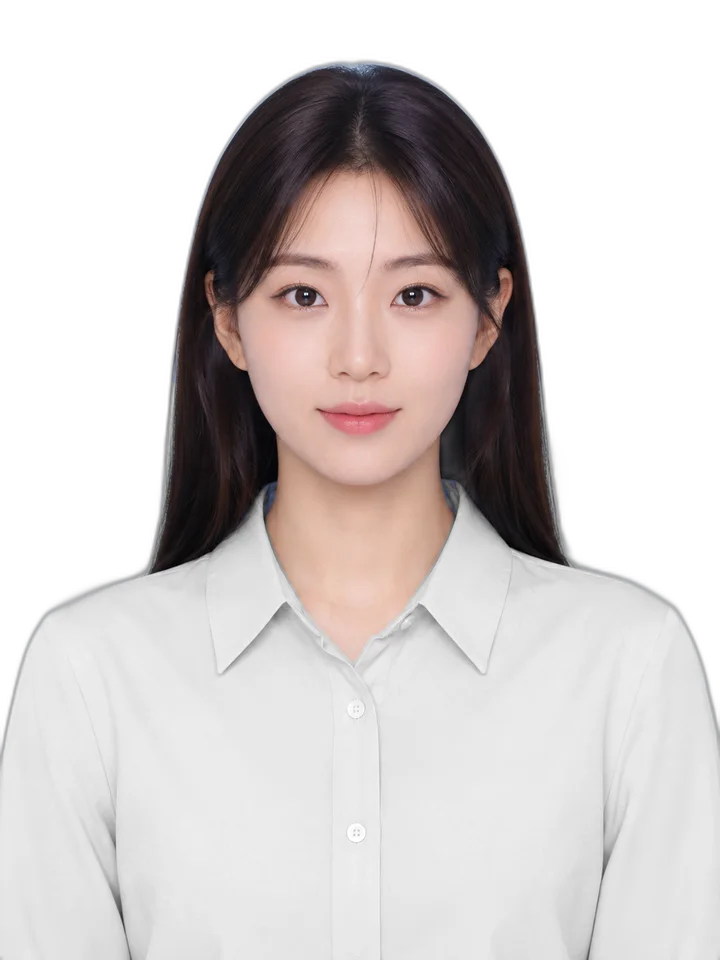
Front-facing sample portrait used for an AI personal color analysis preview
AI face analysis

Analysis signals

Reading your color direction

UndertoneCool undertone
Tone qualitySoft & muted
Color rangePink to blue

HOW IT WORKS

Four questions + one photo — that's it

About 3 minutes, no sign-up. We combine your self-assessment answers with AI photo analysis to build your color card.

1

Four questions

Answer signals only you know, like vein color and sun reaction. Your answers shape the final result.

2

One photo

AI reads the color and contrast of your face. Photos are used for diagnosis only.

3

Your color card

About 30 seconds later, get a result card you can save and share.

AI result preview

See your AI analysis with your own eyes

Hold recommended and compare colors near your face to see how your look shifts.

In your real result, you can compare using your own uploaded photo.

Try it with your own photo
Best
Loading image…
Recommended · Rose PinkCompare · Orange
Compare

Rose Pink vs Orange

Rose Pink blends softly with your face. Orange can stand out before you do.

WHY THIS RESULT

See why you got this result through four color directions

Instead of stopping at a season name, the report connects your position on the color map with undertone, value, saturation, and contrast.

Your color tendency map

Closer to a cool, light, and soft direction

Cool Summer example

Cool, lighter colors tend to keep the skin looking clear and even, while softer chroma blends more naturally.

Four directions behind the result

Select each one to see what kind of visual response it describes.

Cool direction

The analysis looks for whether blue-leaning colors tend to make the skin appear clearer and more even.

Analysis image flow

  1. Original photo
  2. Reduced color influence
  3. Analysis & Drape

FROM RESULT TO REAL LIFE

Put the result to work in today's choices

Go beyond a palette with starting points for lips and makeup, colors worn near the face, and easier alternatives to difficult shades.

MAKEUP

Start with today's lip

In this Cool Summer example, clear rose, soft mauve, and lavender are practical places to begin.

Lip

Rose Pink

Cheek

Lavender Pink

Eye

Lavender

OUTFIT

Colors to wear near your face

Tops and outerwear are an easy first place to use recommended colors across a larger area.

Powder blue
Lavender
Cool gray

ALTERNATIVE COLORS

Swap difficult colors this way

Orange
Rose Pink
Coral
Soft Plum
Mustard
Periwinkle

You do not have to give up a favorite color. Near your face, try a more comfortable shade that plays a similar role.

You may also check a lip product's color direction

When available in your result, product fit is grouped as great, fine, caution, or avoid with a short reason.

Get my style guide

YOUR COLOR, YOURS TO KEEP

Keep the colors you found in your own card

Save your personal color type and recommended palette, then share a vertical story card with friends.

Create my color card
CladColor ID

Cool Summer여름 쿨톤

Clear, soft cool tones keep your skin looking fresh and translucent. Gentle pastels add a luminous touch.

Cool undertoneSoft & muted
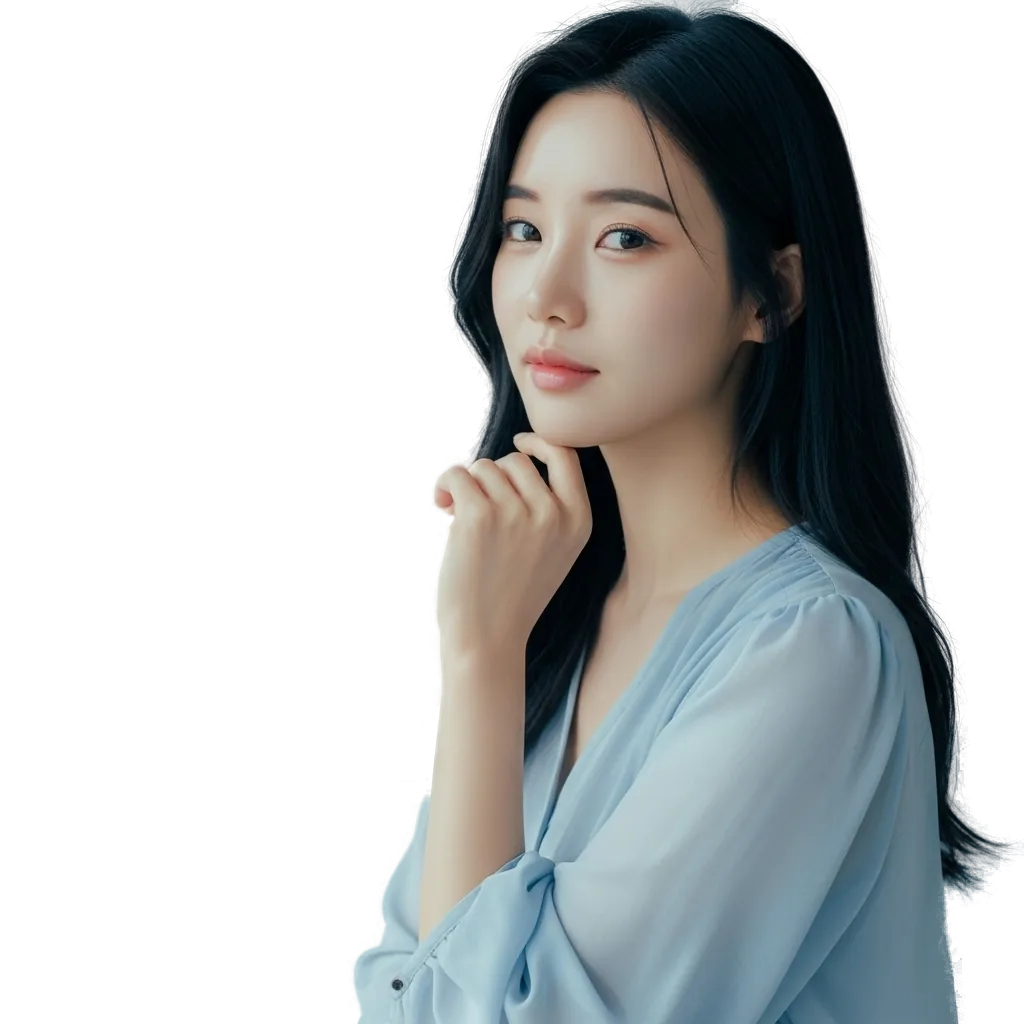
Cool Summer personal color card example — a Clad result card showing best colors like rose pink, soft plum, lavender, and powder blue, and colors to be careful with like orange, coral, and mustard.

Best

Rose Pink
Mauve
Soft Plum
Lavender
Periwinkle
Powder Blue

×Avoid

Orange
Coral
Mustard

These are Cool Summer examples. Your actual result may vary with photo conditions and the analysis.

Before you start

Refining the cards

We're refining the result cards and palette picks from real-world feedback.

3 minutes, no sign-up

Four questions and one photo — get your result right away.

Frequently Asked Questions

New to personal color? Start here.

Q. Can personal color analysis really be scientifically trusted?

This is a question many people are curious about. Personal color is based on the fundamental optical principles of how an individual's skin pigments reflect and absorb light. However, classifying people into absolute types like 'this person is definitely a Spring type' is not strictly within the realm of science, but rather a highly useful styling theory based on extensive experience and statistics. In practice, many makeup and fashion professionals utilize this theory to maximize their clients' image. Therefore, it's best to understand personal color not as an 'absolute law' but as an 'effective guide to discovering your charm'.

Q. What are the benefits of knowing my personal color?

Knowing the colors that suit you can bring surprisingly positive changes to your daily life. First, wearing clothes or makeup in suitable colors brightens your complexion and makes you look more vibrant, creating a positive first impression. Second, it reduces the time spent agonizing over countless choices when shopping, leading to more satisfying purchases. Most importantly, the greatest advantage is experiencing increased self-confidence as you discover and apply your own charm through styling.

Q. How can I best utilize the diagnosis results?

It's important to view the diagnosis results not as a 'definitive answer' but as a 'fun compass for finding your own style'. The personal color theory, which began with the book 'Color Me Beautiful' in the 1980s, has evolved into a tool for expressing oneself more beautifully. Rather than being too bound by the results and giving up on your favorite colors, it's a wise approach to use the recommended color palette as a base while also considering your own tastes and individuality. For example, you can apply it in many ways, such as adding accent colors to bottoms, bags, or shoes that are far from your face, even if they are not recommended colors. Ultimately, personal color is not a rule to confine you, but a guide to help you explore your charm more broadly.

Q. What does the AI analyze in my photo?

The AI looks at visible color information and contrast in your face to estimate warm–cool direction, light–deep direction, chroma, and contrast. Your short questionnaire supports the explanation and personalization; it does not replace the photo analysis.

Q. How is my uploaded photo handled?

Your photo is used for personal color analysis and result-image generation. You can delete the original and analysis images from the result page while keeping your season and palette result. We do not use your photo to train models without separate consent.

Q. How accurate is an online analysis?

Online results can shift with lighting, camera processing, makeup, and display color. Clad is a reference guide designed to help you understand a direction and its reasoning. For a final decision, consider confirming it in natural light with an in-person consultation.

Q. How should I use AI Drape?

Drape is not a manual diagnosis where you choose your own type. It visualizes colors recommended by the AI beside comparison colors on your face, so you can see how the overall impression changes and better understand the result.

Q. How do Warm Spring, Cool Summer, Warm Autumn, and Cool Winter differ?

The four seasons are not simply a scale from lighter to darker skin. They combine warm–cool direction, light–deep harmony, clear–soft chroma, and the level of contrast around your features.

Personal color is a styling framework for color harmony, not a scientific measurement. Online results are a reference guide and can shift with lighting, photo editing, and your display.

See the colors that suit your face

Get the AI analysis, compare colors on your face, and take the result into makeup and fashion.

About 3 min · No sign-up · Result card included

How your photo is handled
Used only for analysis
Delete it after viewing
No training use without consent